Burning firewood or briquettes is one of the cosiest ways to heat your home – but it is essential to ensure that your wood fuels comply with UK firewood regulations. Smoky fires aren’t just unpleasant; in many cases, especially within smoke control areas, they are unlawful. It’s best to burn dry, certified wood in compliant appliances and always burn responsibly.
At White Horse Energy, every log we supply meets – and often exceeds – national standards, so you can be confident that your fire is both efficient and fully compliant.
Understanding The Clean Air Act and Air Quality Rules
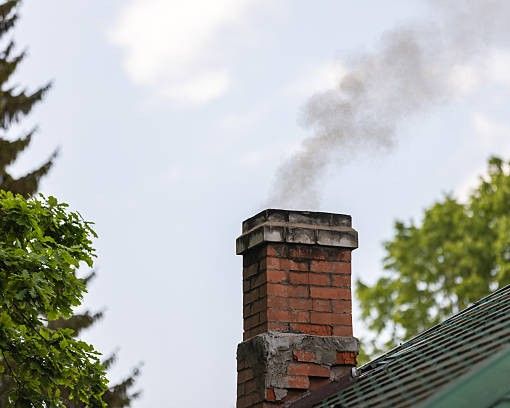
As air quality becomes an increasingly important public health issue, the UK government has tightened environmental standards through the under the Clean Air Act and the Air Quality (Domestic Fuels Standards) Regulations. These laws aim to reduce smoke emissions, improve air quality, and promote cleaner-burning fuels.
The Clean Air Act, originally introduced in 1956, focuses on curbing air pollution from domestic fires. Many parts of the UK are now designated Smoke Control Areas (or smokeless zones), where only authorised fuels may be used unless burnt in a DEFRA-exempt appliance.
If you live in a smoke control area, contact your local council to confirm the rules that apply to your postcode and ensure that your stove or boiler is compliant.
Burning Wood in Smoke Control Areas
Because wood is not an inherently smokeless fuel, it can only be burned in these legally designated zones if:
- The wood complies with the requirements of The Air Quality (Domestic Fuels Standards) Regulations 2020, or
- It is burnt in a DEFRA-exempt stove or appliance (that is, one that has been tested and certified to limit smoke emissions).
If your appliance is not exempt, you may only burn fuels that are permitted in smoke control areas. Violations could result in penalties or fines.
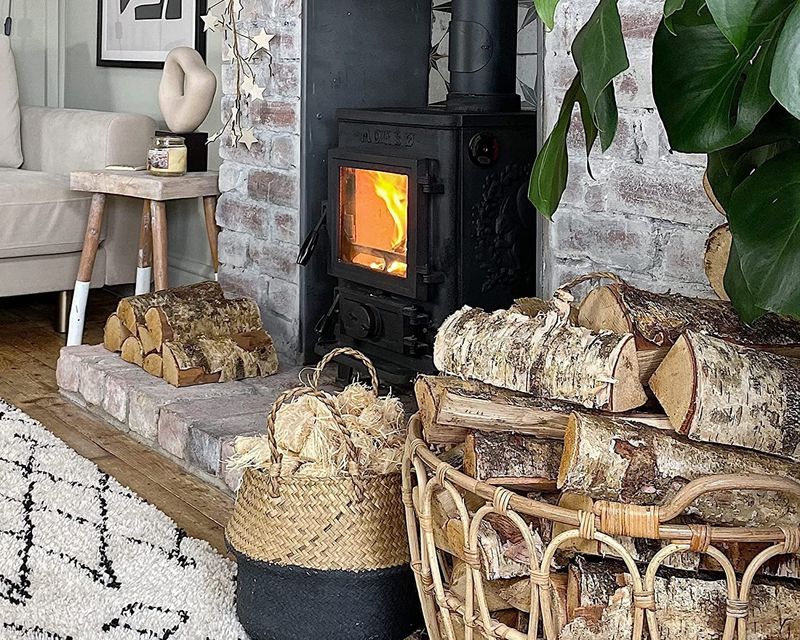
Beyond regulating fuels, new rules introduced from January 2022 require all newly manufactured solid fuel stoves to meet strict Ecodesign standards. These standards set rigorous limits on harmful emissions such as particulate matter, carbon monoxide, nitrogen oxides, and organic gaseous compounds, while also setting minimum energy efficiency levels. This ensures that new stoves burn cleaner and more efficiently, significantly reducing their environmental impact and helping to improve air quality across the UK.
Key Requirements of The Air Quality (Domestic Solid Fuels Standards) Regulations 2020
These regulations drive the UK’s Clean Air Strategy and impose stricter standards on domestic fuels:
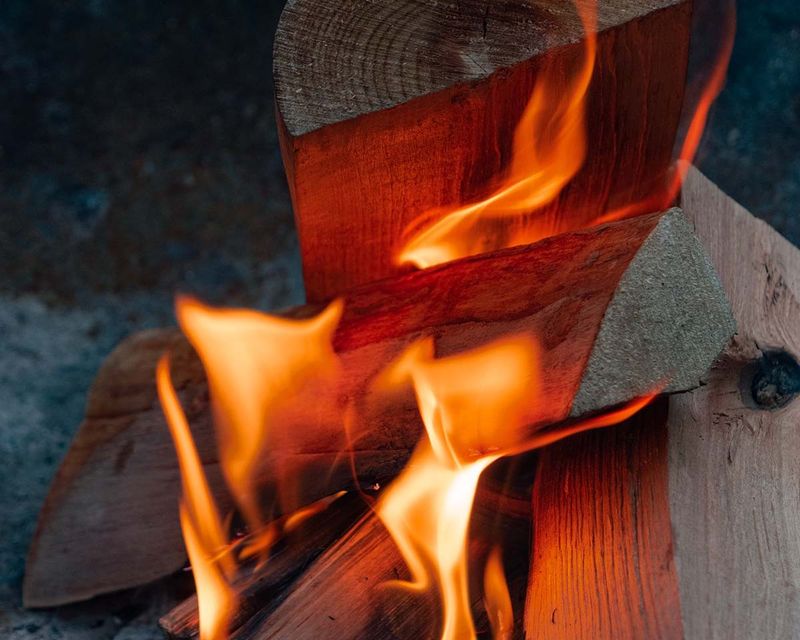
- Wood sold in quantities under 2 cubic meters (typical sacks, bundles, or small bags) must be Ready to Burn certified, meaning it must have a moisture content of 20% or less.
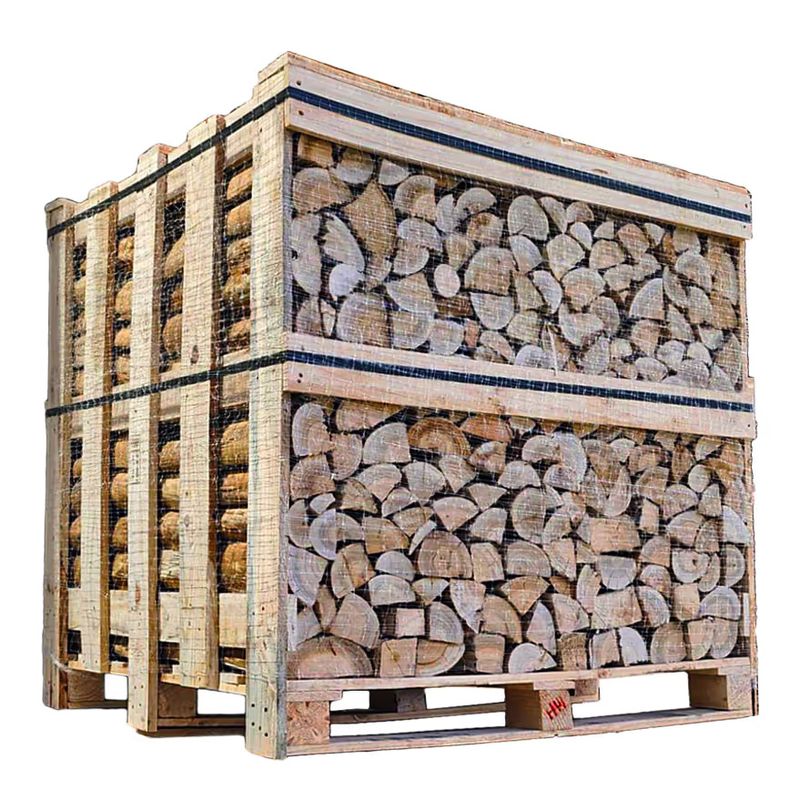
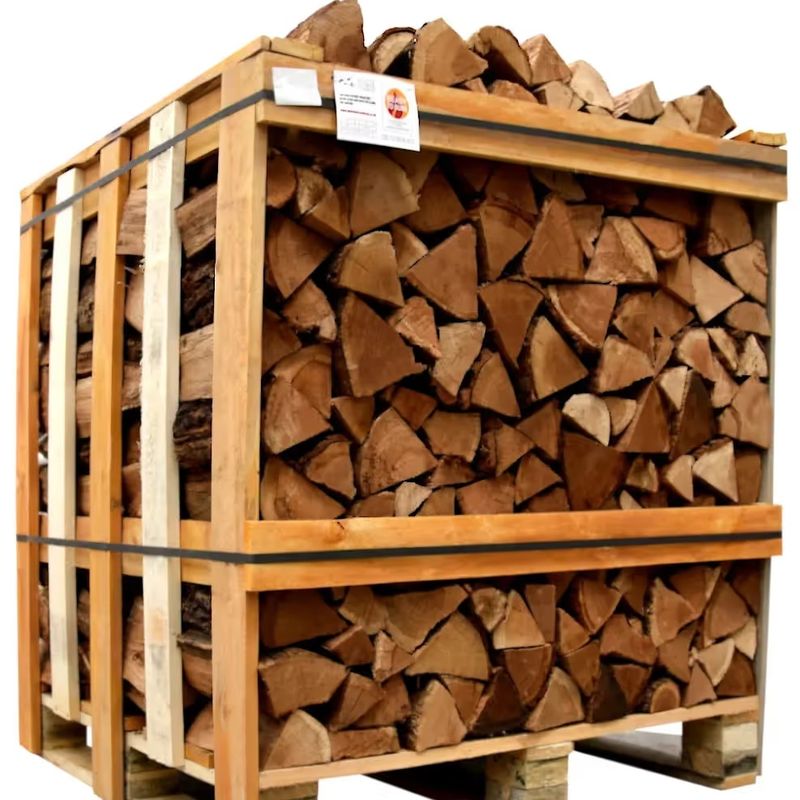
- For larger quantities (2 cubic metres or more), suppliers aren’t obliged to certify the wood, but they must provide guidance on drying and storage.
- Manufactured solid fuels like briquettes must meet strict limits on sulphur content (≤ 2%) and smoke emissions (≤ 5g/hour).
- Domestic sale of traditional house coal (bituminous coal) is now fully banned.
What Does Ready to Burn Certification Mean?
Supported by Woodsure, Ready to Burn certification confirms the firewood’s moisture content is below 20%, ensuring efficient burning with lower emissions. Using certified logs reduces smoke output, soot buildup, and environmental impact.
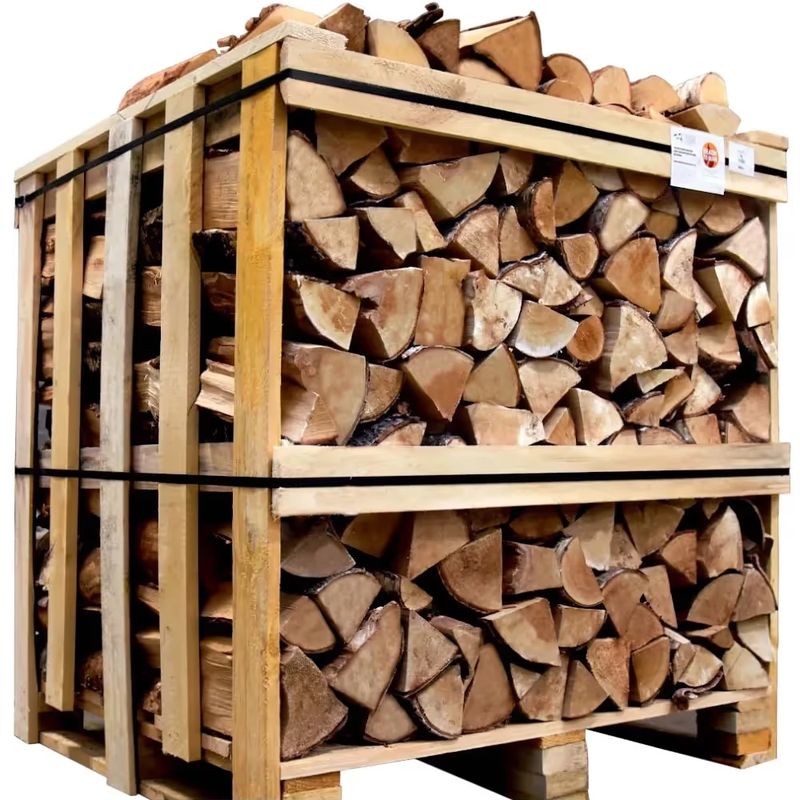
All White Horse Energy’s logs proudly carry the Ready to Burn mark — assuring government-approved compliance with the Clean Air Act for cleaner burning.
White Horse Energy: Compliant Firewood You Can Trust
At White Horse Energy, we combine sustainable practices with strict quality controls to deliver compliant firewood:
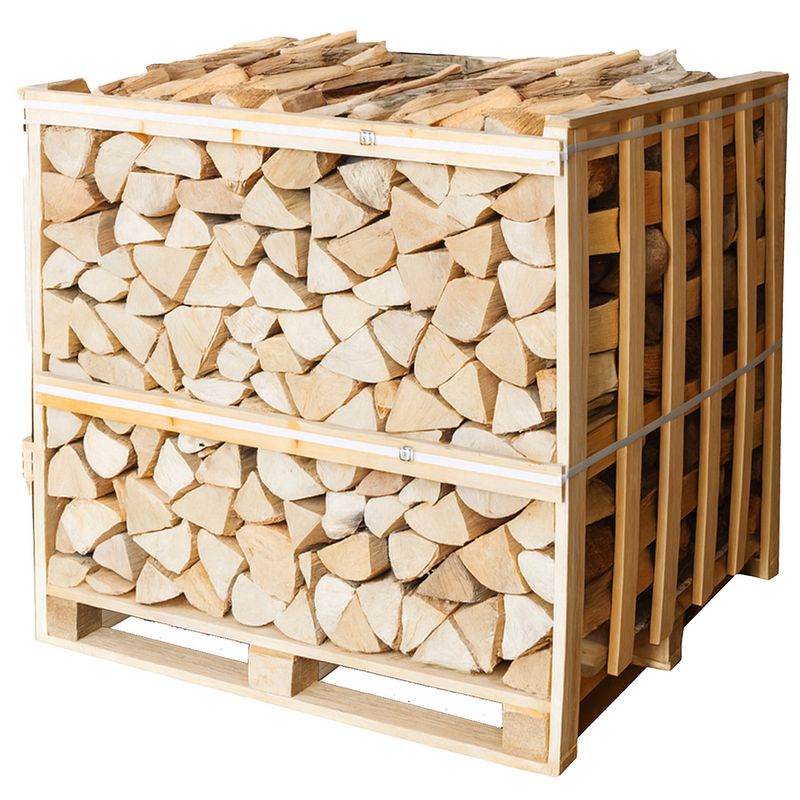
- Expert Drying: Our hardwood logs are kiln dried or perfectly seasoned to below 20% moisture, for cleaner, hotter burns with minimal smoke and ash emissions.
- Certified Ready to Burn Fuels All of our firewood carries Ready to Burn certification, complete with logo and certification number.
- Rigorous Quality Assurance We conduct internal and independent testing to guarantee all wood meets or exceeds regulatory requirements.
- Responsible Sourcing We only source wood from sustainably managed forests, supporting both eco-friendly burning and responsible supply.
By choosing White Horse Energy, you’re choosing a supplier that aligns with UK firewood regulations — so your warmth doesn’t come at the cost of air quality or compliance.
How to Burn Responsibly at Home
To maximise efficiency, reduce emissions to get the most from your logs while staying legally compliant:
- Always use Ready to Burn firewood (look for the Woodsure certification mark).
- Avoid burning wet or unseasoned wood — it produces excessive smoke and causes creosote build-up.
- Never burn painted, treated, or contaminated wood as this may release harmful chemicals and damage your appliance.
- If you live in a smoke control area, be certain your appliance is DEFRA-exempt or Ecodesign-certified.
- Follow manufacturers’ guidelines for airflow, temperature, and loading to minimise smoke.
- Maintain your chimneys with regular sweeps (once or twice a year) to reduce soot build-up and maintain airflow.
- Store your firewood off the ground in a dry, ventilated area to preserve low moisture content. Click here for more Firewood Storage Tips.
- Always check local fuel regulations with your council.
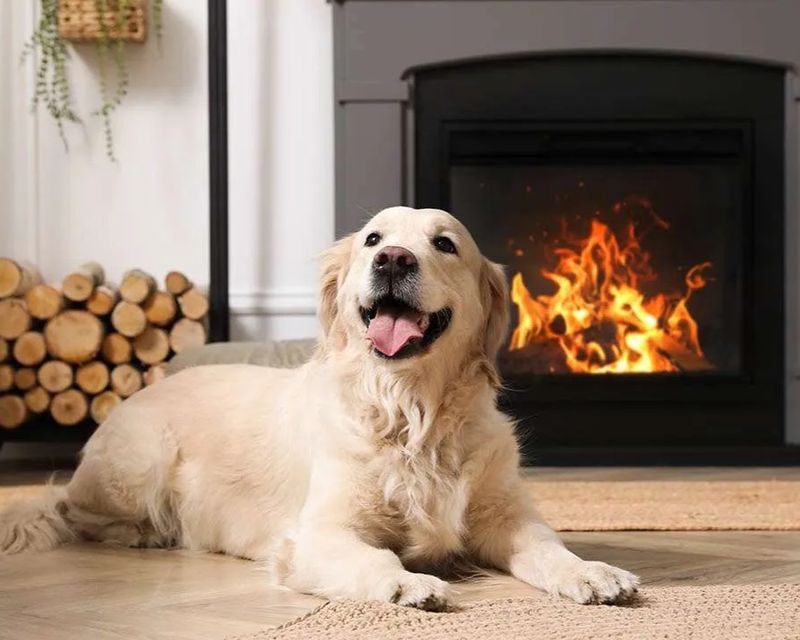
Clean air begins at home — and your choice of firewood plays a crucial role. The latest UK firewood regulations promote drier, cleaner-burning wood that protects both your appliance and the environment. By choosing White Horse Energy’s Ready to Burn certified firewood, you ensure full compliance with the Clean Air Act while doing your part for a cleaner, healthier atmosphere.
Shop Ready to Burn Firewood

Outstanding Customer Service
Our helpful staff is ready to assist with any queries you may have.

Free Delivery
We offer free standard delivery for all products on Whitehorseenergy.co.uk. Premium 1-Day service available.

Award Winning Service
We have won the Feefo Platinum Service Award again in 2024.

Buy Now, Pay Later
Use PayPal to split your purchase into interest-free payments.