
Beginners Guide To Lighting a Fire in Your Wood-Burning Stove
Even the most high-quality wood fuel needs to be handled properly, to ensure you’re getting the most out of it. If you find your fuel produces too much smoke, burns too fast, or doesn’t burn at all, then follow our fire-building guide to light those logs without fail and get the results you want.
1. Before You Start...
Check inside your stove. If there are already ash remains in there from an earlier attempt, leave a bed of about 1 inch as this will insulate the stove and aid with fire lighting. Any excess ash can be swept away. For more stove tips check out our article on wood burner maintenance.
2. What To Burn
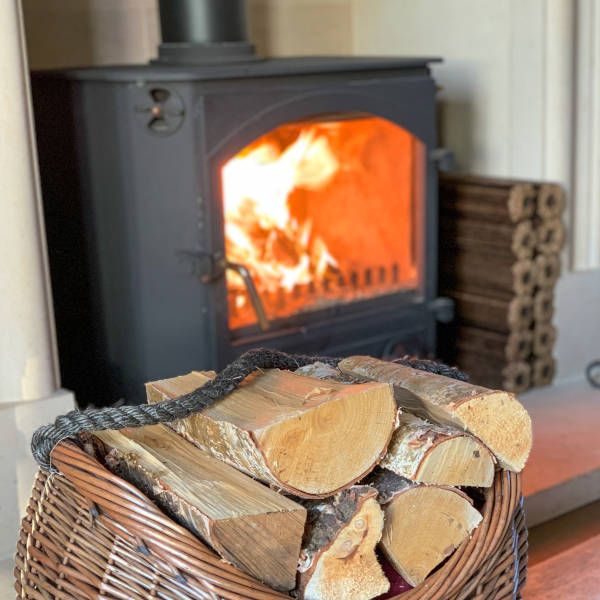
Newspaper might be the default option for starting the fire, but this can cause a lot of ash, which is a hassle to clear up. For a more simple, cleaner choice we recommend using wax firelighters. Natural wax firelighters make the process much simpler, cleaner, and you only need one at a time. Ecoblaze firelighters burn for up to 8 minutes to ensure the flame spreads to the kindling.
Your wood fuel must be dry – below 20% in moisture – to burn properly. Always buy kiln dried or seasoned firewood and kindling, or season it yourself before use to ensure you’re burning fuel responsibly. Look for the “Ready to Burn” label on kilned firewoodsold in any volume under 2m3. kindling must be especially dry for increased flammability is this is what helps to coax a continuous and even burn from those first small flickers.
Hardwood species are preferred for firewood as they have a higher energy density, but sometimes softwoods such as pine and spruce are used for kindling as they dry out faster and burn faster too. Our Ecoblaze kindling is made from kiln dried Birch offcuts, which is a popular firewood for convenience as it’s less dense than other hardwoods.
3. Lay Out Your Logs, Kindling and Firelighters.
The three essential components are firewood, kindling and firelighters. The strongest, brightest flames begin with the smaller pieces of wood before catching on larger logs – kindling should always be a part of the fire lighting process for the best results.
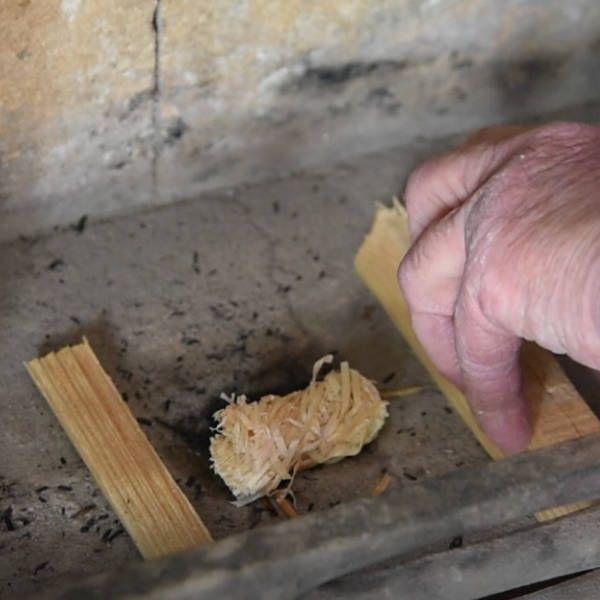
In your stove, place down 1 – 2 firewood logs, several pieces of kindling and some tinder. Leave some space in between logs and kindling for airflow, while still allowing them to touch slightly for the fire to spread from one to the other. For denser firewood (e.g., Oak), you’ll need more kindling to generate bigger flames for guaranteed ignition.
4. Light the Firelighters With a Match or Lighter.
Remember to have plenty of matches or a lighter to hand. Ignite the newspaper or the firelighter, either before adding to your wood pile or lighting it within the wood pile. This must be touching or next to the kindling. Ensure that the paper is lit in several places or hold the flame to the firelighter long enough for it to catch.
5. Leave The Vents Open For The First Few Minutes.
Air vents are an essential component of your stove to supply oxygen for the fire. Some of them are non-controllable, but the ones that you can toggle can be found either above or below your stove door, with a wheel or a handle to adjust it.
Keep the air vents fully open on your stove while doing this - every fire needs a good flow of oxygen to encourage large, healthy flames. Once the kindling is burning, slowly close the vents. Controlling the airflow stretches your fuel further to make the warmth last longer.
6. Add More Logs
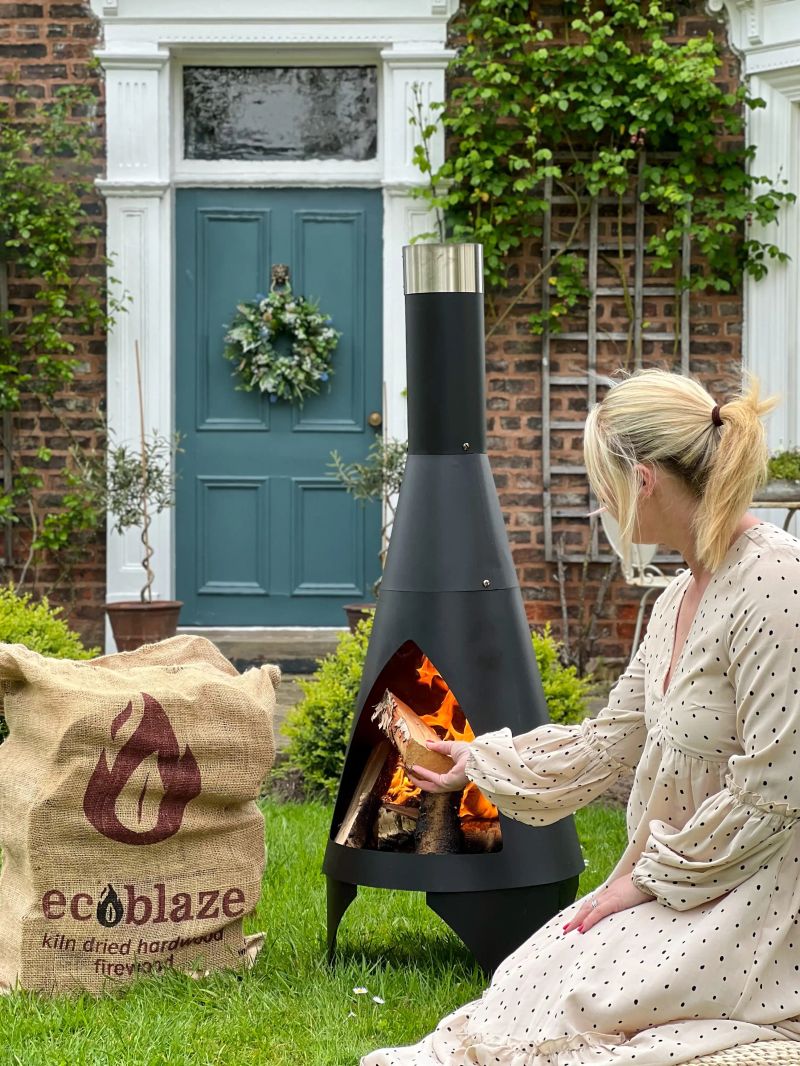
Once your log pile is burning more steadily, you can slowly build on your fire. Refuel with 1 or 2 logs every 1 - 2 hours to keep the heat high. Make sure not to overload the appliance, as this can put out the fire or reduce those impressive flames to a smouldering pile.
7. If It Does Start To Smoulder...
Your woodpile needs more oxygen. Open the vents again to give it another dose of air and the flames will regrow. Or if you’re more traditional, grab your bellows, open the stove door and blow air into it.
8. What NOT to Burn.
Wet firewood not only has a terrible heat output, but it will also smoulder and create lots of smoke. There are now laws against burning wet wood and traditional house coal. Avoid glossy paper for tinder as this will release toxins in the ink when burned. Cardboard should also be avoided too as this is often chemically treated. Any wood that has paint on it or wood from old furniture is also off limits for the same reason.
Once you’ve got the basics down you can afford to start experimenting with varying fire-building methods, different wood types, or even combine with briquettes to find the results you want. For more tips visit our firewood knowledge base.
Even the most high-quality wood fuel needs to be handled properly, to ensure you’re getting the most out of it. If you find your fuel produces too much smoke, burns too fast, or doesn’t burn at all, then follow our fire-building guide to light those logs without fail and get the results you want.
Products Inspired by This Article
Firewood Articles You Might Also Be Interested In.....

Outstanding Customer Service
Our helpful staff is ready to assist with any queries you may have.

Free Delivery
We offer free standard delivery for all products on Whitehorseenergy.co.uk. Premium 1-Day service available.

Award Winning Service
We have won the Feefo Platinum Service Award again in 2024.

Buy Now, Pay Later
Use PayPal to split your purchase into interest-free payments.