
Soggy Logs?
Unlock the Truth About Wet Wood
In this article, we'll explore the significant differences between wood with high moisture content and high-quality kiln dried wood you can buy from Firewood.co.uk.
We’ll also address the negative aspects of burning wet wood and dispelling common misconceptions about kiln dried wood getting wet.
The Problem with High Moisture Content:
Burning wood with high moisture content can turn a cosy evening by the fire into a frustrating and inefficient experience. Here are some key issues associated with wet wood:
- Difficulty Igniting: Wet wood is challenging to ignite because a significant amount of heat is initially required to evaporate the water within the wood fibres. This results in a slow and smoky start, leading to frustration and a less enjoyable fire.
- Smoky and Inefficient Burn: As the wet wood struggles to catch fire, it produces excess smoke. The inefficiency of the burn not only contributes to local air pollution but also diminishes the overall warmth generated by the fire.
- Creosote Buildup: Burning wet wood increases the likelihood of creosote buildup in your chimney. Creosote is a highly flammable substance that can lead to chimney fires if not regularly cleaned, posing a serious safety hazard.
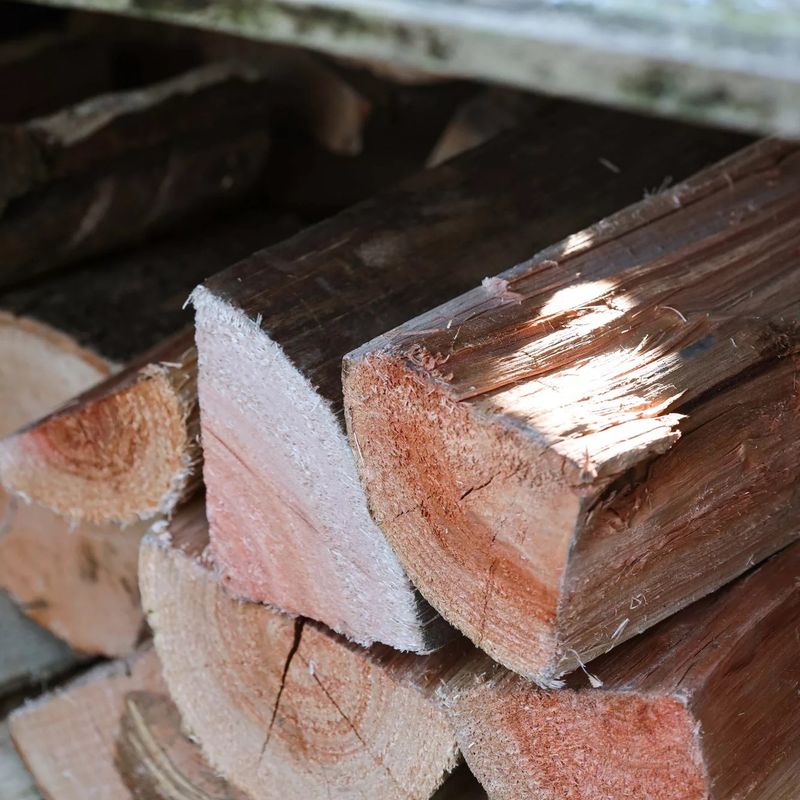
The Superiority of Kiln Dried Wood:
Kiln dried wood stands out as the best wood choice for a more enjoyable and efficient fire. Here’s why:
- Low Moisture Content: Kiln dried wood undergoes a controlled drying process that reduces its moisture content to optimal levels (typically well below 20%). This ensures a quicker and cleaner ignition, producing less smoke and a more efficient burn.
- Consistent Quality: Kiln drying not only lowers moisture content but also provides a consistent quality across each piece of wood. This consistency leads to a more predictable and enjoyable fire, without the frustrations associated with wet wood.
- Reduced Creosote Formation: Burning kiln dried wood minimises creosote buildup in your chimney, promoting a far safer and healthier environment. Regularly using high-quality, kiln dried wood contributes to the longevity and safety of your fireplace or stove.
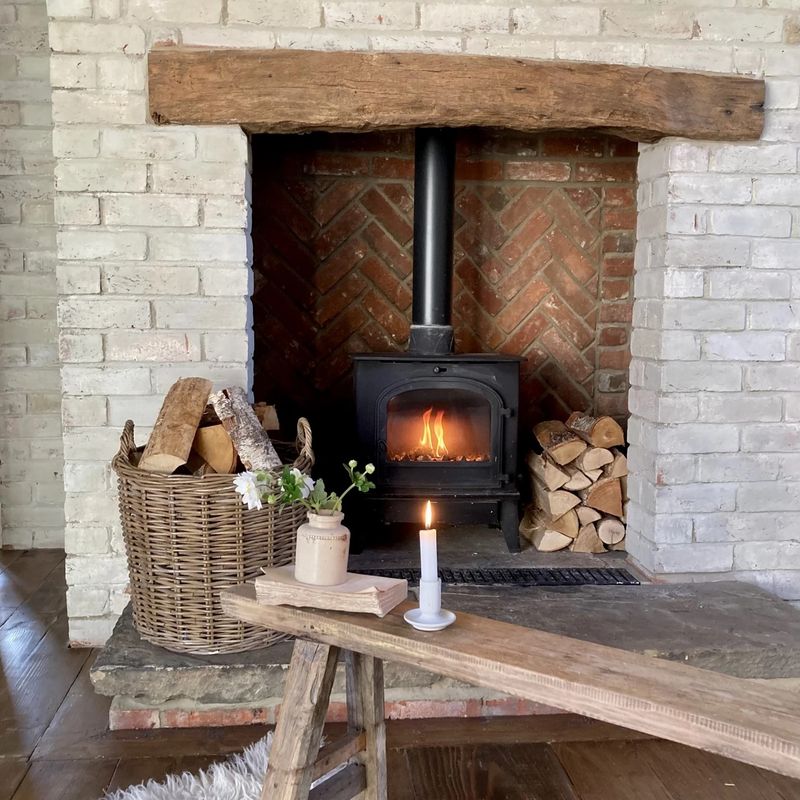
Debunking the Myth: Does Kiln Dried Wood Burn If It Gets Wet:
There is a common misconception that once kiln dried wood gets wet, it loses its advantages. However, this is not accurate.
Kiln dried firewood, when stored properly (off the ground, sheltered from direct rain and with air circulation) is perfectly suitable to use, even if it gets indirectly rained on, or wet. This is because such exposure is merely surface level and doesn’t penetrate the wood itself, therefore your kiln dried firewood can still provide a superior burning experience.
However, even kiln dried wood can increase its core moisture level, it would need to be submerged for a considerable period (days at a time), but we would always recommend if in any doubt, to use a moisture meter reading to be sure it’s dry enough to burn.
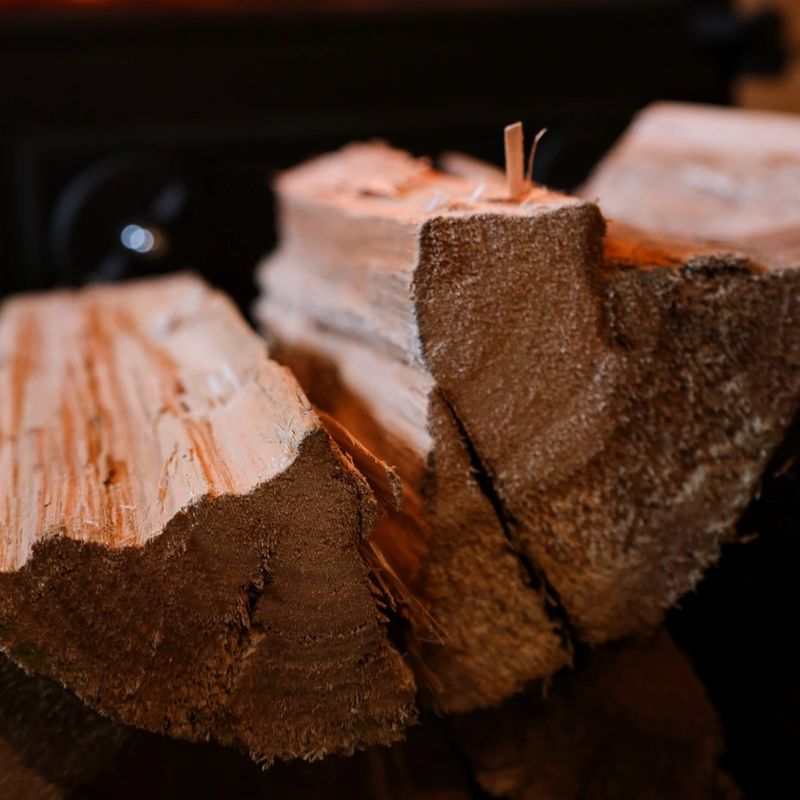
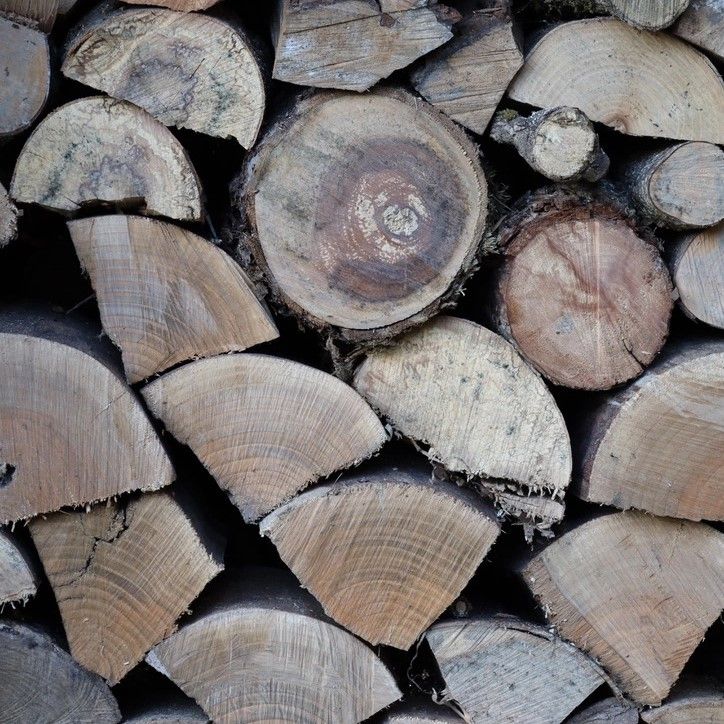
The firewood would have been supplied at the correct moisture level, and naturally, if the moisture level increases over time, this does not render the fuel as defective – follow the advice above, to shelter the firewood and allow it to dry out again before using it to avoid an inefficient burn.
At Firewood.co.uk we trade on the ethos that our products should always be as high a quality as possible, so buying from a reputable source like us means you can rest assured you’re buying the best wood for you and the environment.